
Are you an immigrant? I think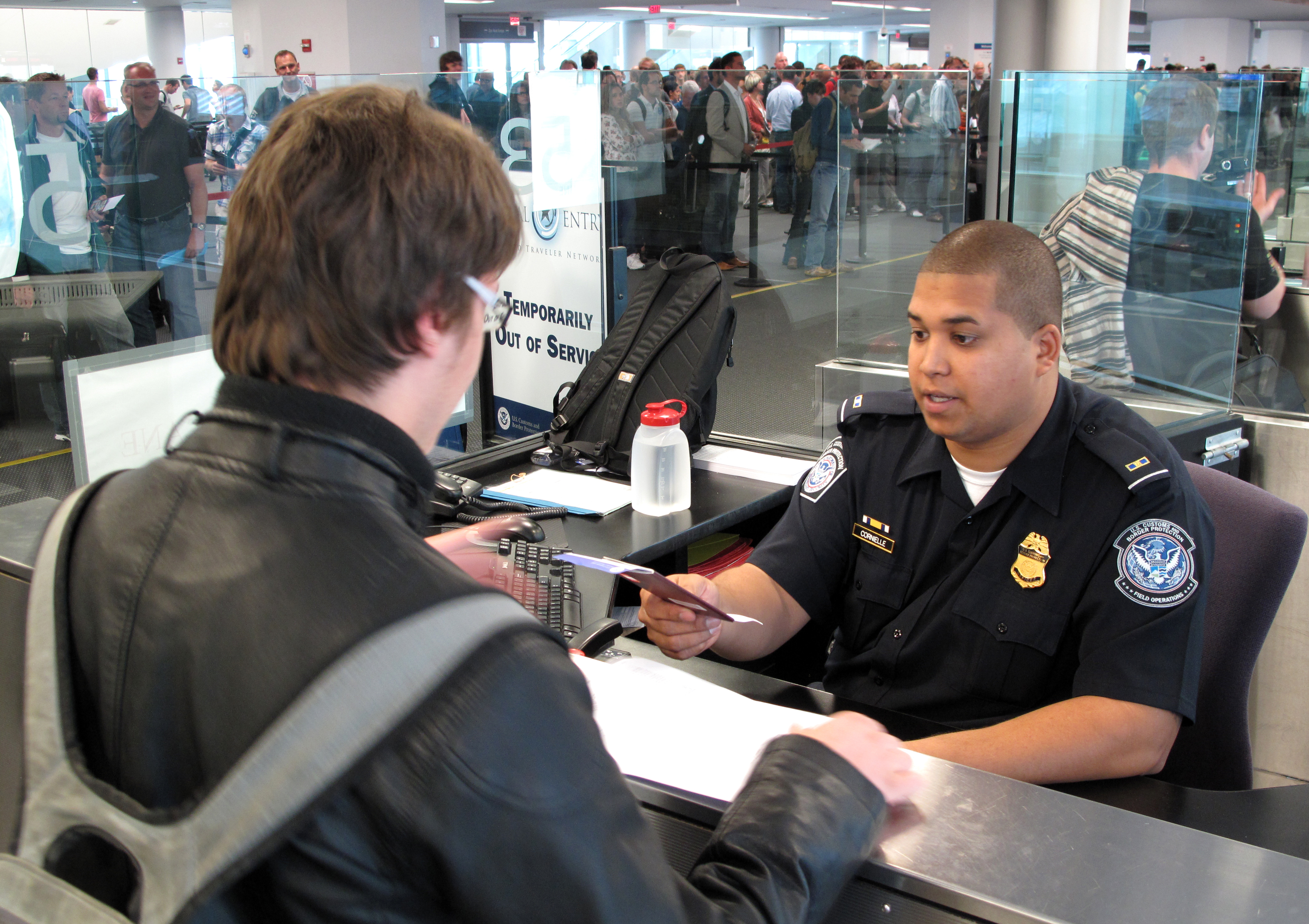 so.
so.
For some people, Immigration is actually quite complex. I am a Canadian citizen but my mother is a U.S. citizen. My official classification in the U.S. is Permanent Resident (A visitor who plans to stay). My mother met and married my father, and moved to Canada when she was 18. The immigration law affecting my status says that she had to live in the U.S. until she was 19 to pass on citizenship to her children. To live in the U.S., my wife became my sponsor for my Permanent Resident application.
It gets more complex. Not only is my mother a U.S. citizen, she is also a member of the Chippewa Nation, a Native American tribe in the United States. We are both official members of the tribe. This suggests that my lineage in this land precedes the European immigration. The tribal law, however, is subject to U.S. law, so this does not give me any different status in the U.S.
Now in the current age of DNA testing, my family has discovered that my mother’s DNA actually shows that her family came from Peru. Sometime in history, my mother’s ancestors emigrated from South America just like my father’s family came from Europe.
There is more. I am a Christ-Follower and member of a Christian faith community. A verse from the New Testament that means a lot to me is Philippians 3:20. It says, “But our citizenship is in heaven, and it is from there that we are expecting a Savior, the Lord Jesus Christ.” I have a complicated immigration status and this verse gives me hope, something to believe in when political arguments about immigration make me weary.
The hope that I have includes a belief in hospitality, a welcoming spirit. I believe that everyone who comes here either before or after his or her birth is basically a traveler on earth. Our time in this place is finite. I prefer to live into a legacy of welcome and sharing than to build walls that do more to imprison than they do to protect.
So who are the immigrants? We all are. You’re welcome.





 Pursuing Peace