
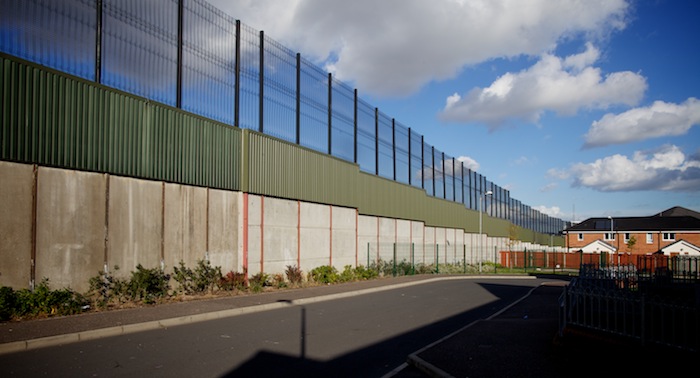
 The famous words of Ronald Reagan challenged Soviet leader Mikhail Gorbachev to tear down the Berlin Wall. There was a lot more to the destruction of the Berlin Wall but the symbolism was significant. I recently wrote about not loving walls and advocated for wisdom in building walls. I said that we have physical and emotional walls, some of which are necessary and good. Other walls, however, do more to promote fear and prejudice than anything. A question that remains for me is what do we do about those unjust and unproductive walls?
Getting to the destruction of the Berlin Wall was not as simple as two world leaders making that decision. The political negotiations took time, many resources, and a lot of careful thought. Similarly, just as I believe we need to build our walls wisely, we also need to be wise in removing walls. Consider how you share your physical and emotional walls with others. Our walls define our boundaries. Over time we become comfortable with our walls, even those walls that only serve to promote fear and prejudice.
Tearing down the problematic walls gives us the uncomfortable situation of getting used to new patterns of relating to others. When we tear down a fence we don’t have to walk around it or go to the gate but we also have to be ready to accept others traversing those spaces. The discomfort goes further. Consider how social issues define us. We often have very strong views about politics, gender, race, poverty, religion, and numerous other social issues.
When you decide to tear down a wall that has to do with a social issue, remember that others in your social circles may not have done the same thing. Others often assume you have certain walls because they know you or maybe just because of your demographic profile. The truth is, however, everyone comes to his or her social issues differently. It is only through open-minded dialogue that we come to understand whether a wall exists for someone and why.
Do you look down on someone because he or she is a Democrat or a Republican? Is male or female? Has a different color skin than you? Is rich or poor? Is Christian, Jew, or Muslim? You may have reasons for erecting walls between you and others, but study those reasons carefully. The walls that separate people prevent peace between them. The ancient words of St. Paul in a letter to Christians in the city of Ephesus addressed this very problem. Regarding the wall of faith between Jews and non-Jews, St. Paul said about Jesus Christ,
“For he is our peace; in his flesh he has made both groups into one and has broken down the dividing wall, that is, the hostility between us. He has abolished the law with its commandments and ordinances, that he might create in himself one new humanity in place of the two, thus making peace…” (Ephesians 2:14-15)
To have peace, work on tearing down the walls that you don’t need for physical security or moral integrity. Some walls help you establish an identity that is not positive. It’s okay to tear down the wall and expand your identity to include others.
 Pursuing Peace